Real Property Management of The Triad

Which Appliances Should Landlords Provide?

Which appliances should landlords provide to tenants? This critical decision impacts your rental rate, property competitiveness, and monthly cash flow. While the answer varies by market, this guide provides data-driven recommendations to help you make the right choice for your property.

Even though offering certain appliances may be the right choice for some property owners, that is not the case for every rental property. Furthermore, tenant feedback indicates strong demand for appliances across several markets, and these household appliances are even expected in some areas.

You may need to provide appliances merely to keep your rental competitive and justify your current (and future) rental rate. However, which ones? Let’s look at what the experts recommend.

What Tenants Want

Tenant surveys reveal the four most-requested rental appliances:
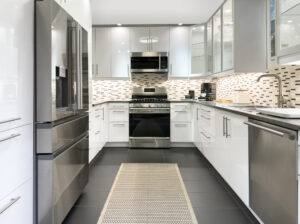
  1. Refrigerator (92% of tenants consider essential)
  2. Stove/oven (94% consider essential)
  3. Dishwasher (76% strongly prefer)
  4. Microwave (68% expect included)

These appliances significantly impact your property’s rental appeal and competitive positioning.

Should you provide a washer and dryer? This decision requires market research. Washers and dryers account for 40% of appliance maintenance costs due to frequent use. Before investing, survey comparable rentals within 2 miles—if 70%+ include laundry appliances, you’ll need them to remain competitive.

Therefore, experts recommend conducting targeted research on your local market before deciding whether to include a washer and dryer in your rental home. If all the rentals in your area have them, you may need to do the same. If not, you may have a harder time renting your property, and you may even need to reduce your rental rate.

You may want to think about where to store appliances that renters do not wish to use during their tenancy. Quite a lot may have their own appliances; in these circumstances, having a backup location to store appliances for the next renter may be necessary.

Appliances (Not) Included?

Even though rental markets differ, tenants are more inclined to rent a home that comes with at least a few appliances in some places. Indeed, very few tenants relish the expense and hassle of having and then moving with large, heavy appliances. A rental home that provides them will be much more attractive.

In many rentals, and in single-family rental properties in particular, tenants do not really like using laundromats. According to an Apartment List 2024 Survey, 78% of tenants prioritize in-unit laundry. Doing so is both expensive and time-consuming, and some tenants would be willing to pay higher rent to avoid it.

Property owners face three main downsides when providing appliances: upfront costs averaging $3,500, ongoing repair expenses, and potential tenant damage. However, you will be able to keep your costs and the risk of appliance damage to a minimum by being discerning about which appliances you furnish them with.

Legal Obligations

Are landlords legally required to provide appliances? No. In most municipalities, landlords are not legally obligated to provide appliances in unfurnished rentals. However, local ordinances vary—check your city and state regulations before finalizing your decision. Really, few local municipalities require landlords to provide appliances.

So the question isn’t a legal one, but on the contrary, it’s a matter of which alternative will help you maximize your monthly cash flows. So again, understanding your local market and what other landlords offer in your area is essential. In the same way, it’s good to work within the constraints of your current budget. If procuring appliances for your rental property would result in an undue hardship, it may be advisable to wait until you are in a more favorable situation to do so. For the reasons stated, picking which appliances to include in your rental is a decision that only you can make.

Deciding which appliances to provide is just one of hundreds of decisions landlords face. At Real Property Management of The Triad, we handle everything—from market research and property setup to tenant screening and maintenance coordination.
Get a free rental property analysis: Contact us today to learn how professional Greensboro property management can increase your ROI while saving you hours each week.

FAQ Schema for Rental Appliances

Frequently Asked Questions About Rental Appliances

Q Which appliances are landlords required to provide by law?
In most unfurnished rentals, landlords are not legally required to provide any appliances. The vast majority of municipalities do not mandate appliance provision for unfurnished properties. However, local ordinances can vary significantly by state, county, and city. Always check your specific area's landlord-tenant laws before making your decision. If you advertise your property as "furnished" or "partially furnished," different rules may apply.
Q What are the most important appliances to provide in a rental property?
The four essential appliances that tenants prioritize are: 1) Refrigerator (92% of tenants consider essential), 2) Stove/oven (94% consider essential), 3) Dishwasher (76% strongly prefer), and 4) Microwave (68% expect included). Providing these four appliances significantly improves your property's competitive position and can justify higher rental rates. Properties with these appliances typically rent 15-20% faster than those without them.
Q Should landlords provide a washer and dryer in rental properties?
It depends on your local market. Washers and dryers are not universally expected but are highly valued in many areas. Before investing, research comparable rentals within 2 miles of your property. If 70% or more of similar rentals include laundry appliances, you should provide them to remain competitive. Keep in mind that washers and dryers account for approximately 40% of appliance maintenance costs due to frequent use. In markets where they're standard, properties with in-unit laundry can command $150-300 more per month in rent.
Q How much does it cost to provide appliances for a rental property?
Budget approximately $3,500-5,500 for a complete appliance package with mid-range models. Breaking it down: Refrigerator ($1,200-2,000), Stove/oven ($600-1,200), Dishwasher ($400-800), Microwave ($100-300), Washer ($600-1,000), and Dryer ($500-900). You can reduce costs by purchasing during major sales events or considering scratch-and-dent models. Energy-efficient models may cost 15-20% more upfront but can reduce utility costs and appeal to environmentally-conscious tenants. Factor in an additional 10-15% annually for maintenance and repairs.
Q Can tenants bring their own appliances to a rental property?
Yes, tenants can typically bring their own appliances, but this should be clearly addressed in your lease agreement. If you provide appliances and a tenant wants to use their own, establish where you'll store your appliances during the tenancy and who's responsible if the tenant's appliances cause damage. Many landlords require that tenant-owned appliances meet safety standards and that the original appliances be reinstalled before move-out. Include specific clauses about appliance liability, storage arrangements, and move-out expectations to avoid disputes.
Q Who is responsible for appliance repairs in a rental property?
Landlords are responsible for repairing provided appliances under normal wear and tear. However, if damage results from tenant misuse or negligence, tenants may be held financially responsible. To protect yourself: document appliance conditions with photos at move-in, provide user manuals and care instructions, require renters insurance that covers appliance damage, and include clear lease language defining normal use versus abuse. Regular maintenance inspections can catch issues early. Most landlords budget 10-15% of appliance value annually for repairs and eventual replacement.
Q Do rental properties with appliances rent faster and for more money?
Yes, absolutely. Properties with appliances typically rent 15-20% faster and can command 8-15% higher monthly rents compared to similar properties without appliances. The convenience factor is significant—tenants avoid the expense and hassle of purchasing, moving, and eventually disposing of heavy appliances. In competitive markets, lacking standard appliances can extend vacancy periods by 2-4 weeks. The faster rental velocity and higher rental rates typically offset appliance costs within 18-24 months, making this a smart long-term investment for most landlords.