North Carolina’s rental market continues to reflect steady demand supported by population growth, job expansion, and evolving housing affordability.
While rent increases have stabilized compared to earlier spikes, overall rental pricing remains elevated across most major metros.
For property owners and investors, this creates a more predictable environment. Instead of rapid fluctuations, today’s market is defined by consistent demand, moderate rent growth, and sustained occupancy levels.
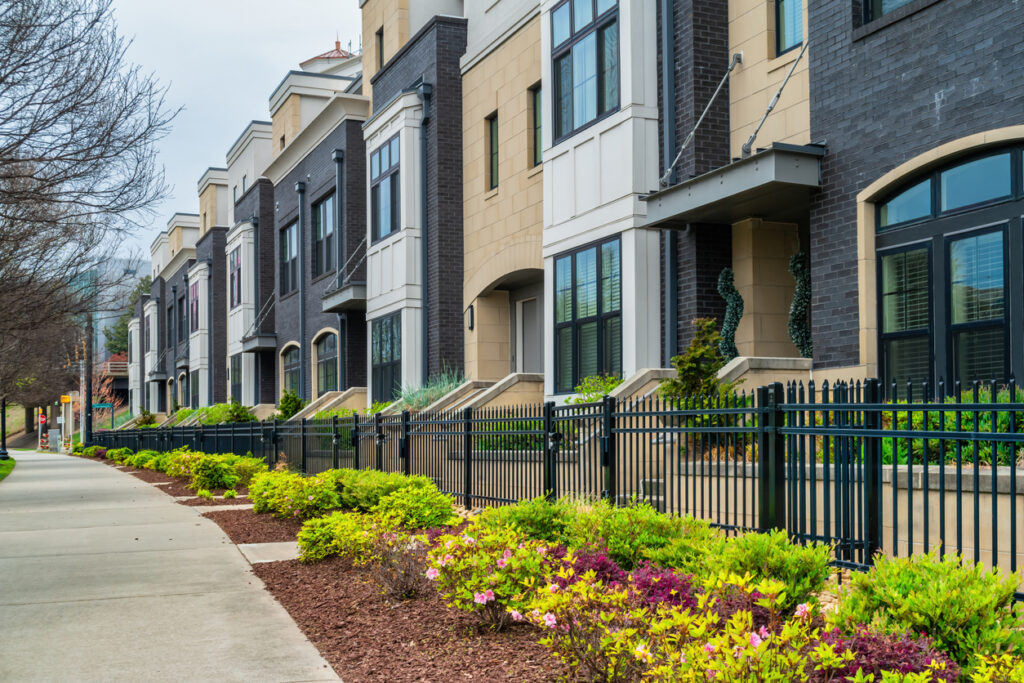
What Is Driving Rental Demand in North Carolina?
Several long-term factors continue to support rental demand across the state. These are not short-term trends, but structural shifts that influence how people live and where they choose to rent.
Key demand drivers include:
- Continued in-migration from higher-cost states
- Job growth across technology, healthcare, finance, and manufacturing sectors
- Higher home purchase costs due to elevated prices and interest rates
- Delayed homeownership among younger households
- Demand for flexibility among renters relocating for work
Current Rental Conditions Across Major North Carolina Markets
Rental trends vary by region, but most major markets share similar patterns of steady demand and moderated rent growth.
| Market Area | Current Conditions | Typical Rent Trend | Key Demand Driver |
|---|---|---|---|
| Raleigh-Durham | Stable demand | Moderate growth | Tech and research sectors |
| Charlotte | High demand | Steady growth | Finance and corporate jobs |
| Wilmington | Limited supply | Upward pressure | Lifestyle migration |
| Triad (Greensboro/Winston-Salem) | Affordable, stable | Gradual growth | Workforce housing demand |
| Asheville | Supply constrained | Higher pricing pressure | Lifestyle and tourism-driven demand |
This comparison highlights how demand remains consistent statewide, even as pricing behavior varies slightly by region.
Supply, Vacancy, and Housing Availability in North Carolina
While new housing development has increased in some areas, supply constraints remain a factor in many North Carolina markets.
Important supply dynamics:
- Multifamily construction has expanded but is concentrated in select urban areas
- Single-family rental inventory remains limited in many neighborhoods
- Vacancy rates remain relatively low, supporting consistent occupancy
- Development timelines and zoning restrictions limit rapid supply growth
For property owners, this environment typically supports stable occupancy rather than aggressive rent escalation.
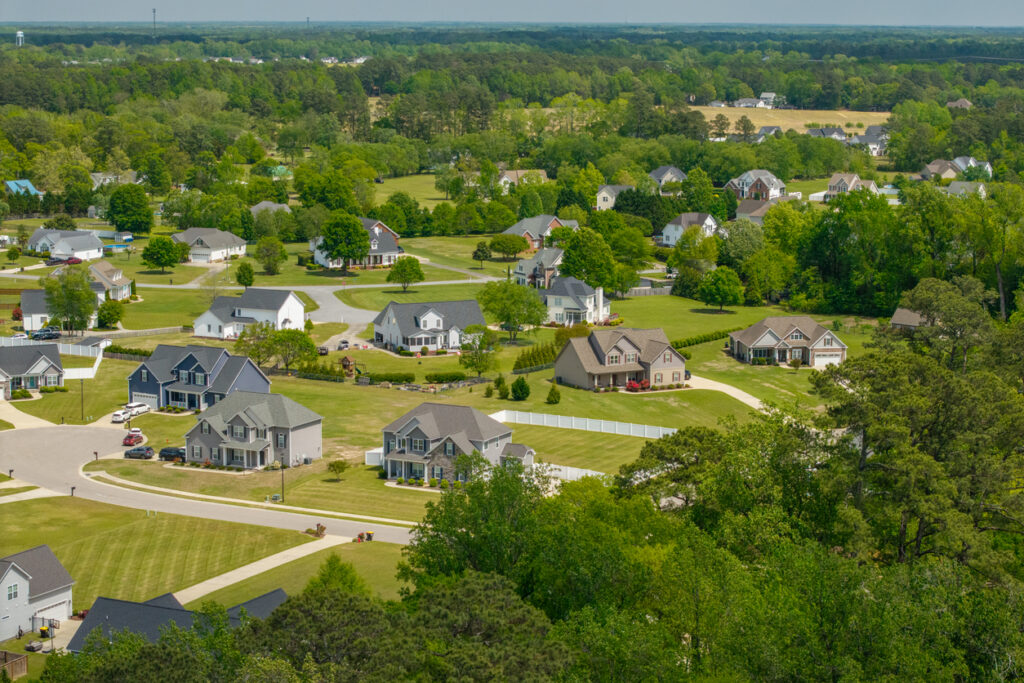
What This Means for North Carolina Rental Pricing and Investment Strategy
Today’s rental market favors a balanced approach. While demand remains strong, pricing strategies must be grounded in local market data and tenant expectations.
| Strategy Focus | Why It Matters | Expected Outcome |
|---|---|---|
| Competitive pricing | Aligns with market demand | Reduced vacancy time |
| Property condition | Influences tenant decisions | Faster leasing and better retention |
| Maintenance response | Builds tenant trust | Lower turnover |
| Market monitoring | Prevents overpricing | Stable long-term income |
Rather than relying on rapid rent increases, long-term performance is now more closely tied to consistency, quality, and operational efficiency.
North Carolina Rental Market Outlook: Stability Over Rapid Growth
Current indicators suggest that North Carolina’s rental market will continue to experience steady demand with moderate rent growth.
While housing affordability remains a concern for many residents, conditions have not shown signs of extreme or unsustainable pricing escalation.
This creates a more stable environment where both property owners and residents can plan with greater predictability.
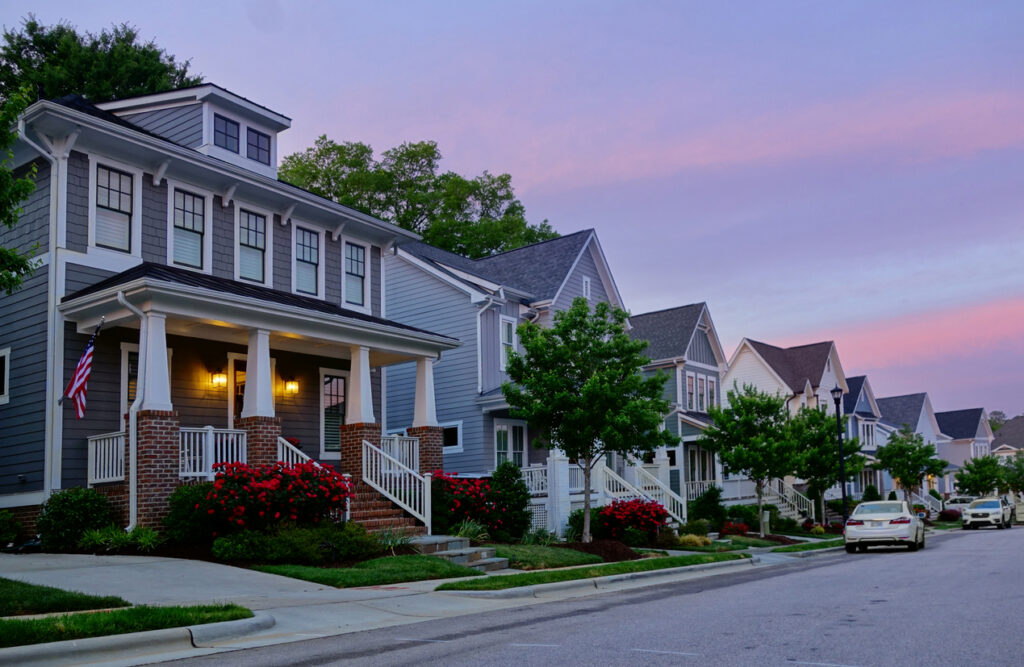
Local Property Management Expertise Matters in a Changing North Carolina Rental Market
Real Property Management of the Triad provides local market insight and full-service property management support across Greensboro, Winston-Salem, and surrounding areas.
Their team helps property owners navigate pricing decisions, tenant placement, maintenance coordination, and long-term asset performance with a data-informed approach tailored to local conditions.
Frequently Asked Questions About Rental Demand in North Carolina
Are rental prices still increasing in North Carolina?
Rental prices are generally stable with moderate growth in most markets. While prices remain higher than pre-2020 levels, increases are no longer occurring at the rapid pace seen in previous years.
Which North Carolina cities have the strongest rental demand?
Raleigh-Durham and Charlotte typically show the strongest demand due to job growth in technology and finance. However, secondary markets like the Triad also maintain consistent demand due to affordability.
Is North Carolina still a good market for rental property investment?
Yes. North Carolina remains attractive for investors due to population growth, economic diversity, and relatively stable rental demand. However, success depends on proper pricing, location selection, and property management.
What is the biggest risk for rental property owners right now?
One of the main risks is overpricing a property in a more balanced market. Properties that are not competitively priced or well-maintained may experience longer vacancy periods, which can impact overall returns.